

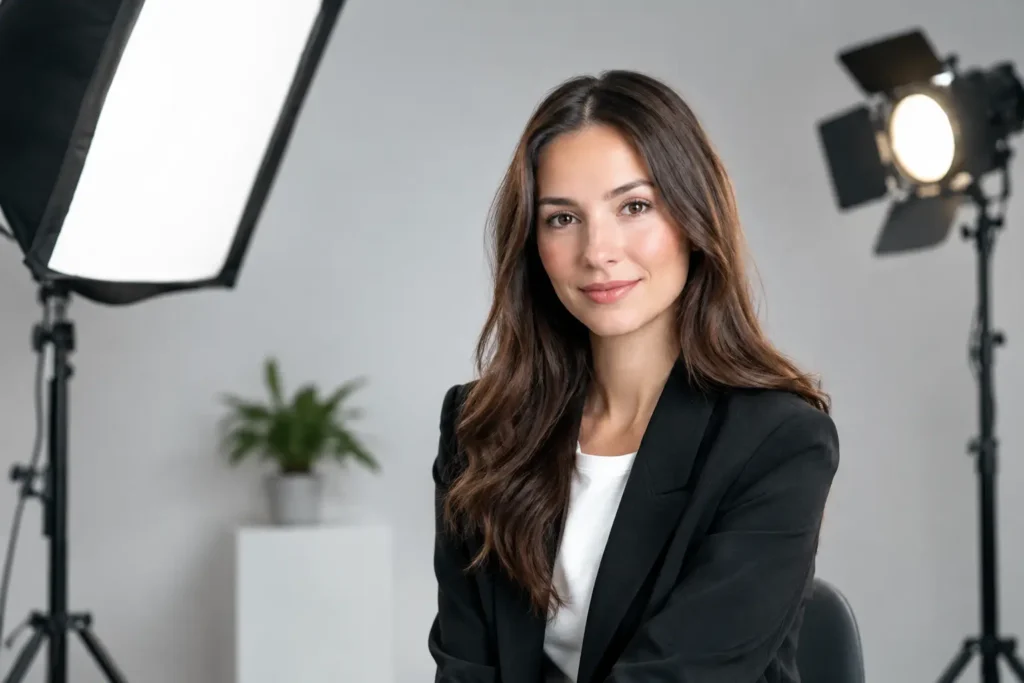
A portrait can be beautifully styled, expertly posed, and photographed with an excellent camera, yet still feel flat if the light is not working for the person in front of it. The best lighting for professional portraits does more than brighten a face. It shapes features with intention, creates dimension, supports the mood of the session, and helps the subject look like the strongest version of themselves.
For an actor updating a headshot, that may mean clean, flattering light that keeps the eyes lively and the expression honest. For a model building an agency-ready portfolio, it may call for more sculptural contrast and editorial drama. For a family portrait, the goal is often warmth, connection, and enough softness to make everyone feel comfortable being photographed. There is no single lighting setup that suits every person or every purpose. The right choice begins with the story the portrait needs to tell.
What Makes Portrait Lighting Look Professional
Professional lighting is controlled, even when it appears natural. A photographer considers where the light falls, how quickly it transitions into shadow, what color it is, and how it interacts with skin tone, clothing, hair, and the setting. Small changes in angle can alter the entire feeling of an image.
Soft light is created by a large source positioned close to the subject. Think of light coming through a broad window, a large softbox, or a scrim that diffuses direct sun. It wraps gently around the face, smooths transitions between highlight and shadow, and is especially forgiving for close-up headshots and family portraits.
Hard light comes from a smaller or more direct source. It creates stronger shadow edges, defined cheekbones, and a bolder visual statement. Used thoughtfully, it can be striking for fashion portraits, dance photography, fitness imagery, and creative editorial work. Used without care, it can emphasize texture, create distracting shadows under the eyes, or make a subject feel less at ease.
The goal is not to avoid shadow. A face without shadow often looks flat and overly retouched before any editing begins. The goal is to place shadow where it adds shape without taking attention away from the expression.
Best Lighting for Professional Portraits Starts With the Goal
Before selecting a modifier or setting up a light stand, decide what the portrait needs to accomplish. A great headshot is not lit the same way as a fashion campaign, and a polished corporate portrait has different needs than a romantic engagement session in the Hudson Valley.
Clean, approachable light for headshots
Most actors, professionals, speakers, and business owners benefit from a soft key light placed slightly above eye level and just off to one side of the camera. This creates natural dimension while keeping the eyes clear and engaged. A reflector or subtle fill light can lift deeper shadows without erasing the shape of the face.
For theatrical headshots, the lighting should feel refined but believable. Casting teams need to see the person, not a lighting trick. A bright catchlight in the eyes, accurate skin tone, and a background that does not compete with the subject are often more valuable than an elaborate setup. The final image should feel immediate, confident, and true to how the actor walks into a room.
Sculpted light for modeling and editorial portraits
Models, dancers, musicians, and creatives may need a wider range of looks in one session. Directional light can define bone structure and create the visual energy agencies and clients look for in a portfolio. A beauty dish, focused softbox, or gridded modifier can deliver more precise control than broad, even light.
This is where creative direction matters as much as equipment. A dramatic light pattern may look exceptional when paired with a strong pose, clean wardrobe lines, and a purposeful expression. It may feel overly severe for someone seeking a warm lifestyle portrait. High-end editorial lighting succeeds because every element supports the concept.
Warm, connected light for couples and families
For family, maternity, and engagement portraits, light should leave room for movement and real interaction. Late-afternoon outdoor light can be beautiful, especially when a photographer positions the family to avoid squinting and harsh shadows. Backlighting can create a soft glow around hair and clothing, while gentle front fill preserves detail in faces.
The trade-off with natural light is that it changes quickly. Cloud cover, sunset timing, and location all affect exposure and color. Professional lighting tools can help maintain a polished finish outdoors, but the experience should still feel relaxed. The best family portraits come from genuine connection, not from asking everyone to hold a perfect pose for too long.
Direction Matters More Than Brightness
When clients say they want flattering light, they usually mean they want light that feels balanced, dimensional, and kind to their features. Direction is the key.
Front lighting, with the source close to the camera, is open and polished. It minimizes shadow and works well for beauty portraits, professional headshots, and images where the expression should take center stage. It can become flat if the light is too broad or too centered, so a slight shift to one side often makes a meaningful difference.
Side lighting creates more depth and character. It can be subtle, with most of the face still visible, or dramatic, with one side falling deeply into shadow. This approach is effective for portraits with a cinematic or editorial feel, but it requires careful attention to posing. Turning the chin a few degrees can determine whether the result feels sculpted or simply underlit.
Backlighting places the brightest source behind the subject. It is especially appealing for outdoor portraits and can separate the subject from the background with a luminous edge. Because faces can become too dark in this setup, a photographer must expose carefully and often add fill from a reflector or off-camera light.
Light from directly overhead is generally the least forgiving for portraits. Midday sun can create dark eye sockets and strong shadows beneath the nose and chin. There are creative exceptions, especially in fashion work, but it takes experience to make overhead light look intentional rather than accidental.
The Modifier Changes the Mood
A studio light is only the starting point. The modifier placed in front of it determines how the light spreads and how soft or focused it appears.
Large softboxes are versatile favorites because they create smooth, flattering light for headshots, corporate portraits, and families. Umbrellas can provide broad coverage and a quick, natural-looking setup, making them useful when photographing multiple people. Beauty dishes offer a more defined, polished look with attractive contrast, often favored in beauty and fashion imagery.
Grids narrow the spread of light. They are useful when a photographer wants to illuminate the subject while keeping the background darker or preventing light from spilling onto nearby walls. Reflectors bounce existing light back into shadow areas and are remarkably effective for outdoor sessions. A simple white reflector creates a soft lift, while silver produces a brighter, crisper effect.
There is a reason high-end portrait sessions rarely depend on one fixed setup. The right modifier depends on the person, the wardrobe, the location, and the intended final use of the image.
Color, Background, and Skin Tone Need to Work Together
Great lighting is also about color accuracy. Window light can shift cooler on an overcast day. Indoor lamps may cast yellow or green tones. Mixed light, such as daylight coming through a window alongside warm restaurant fixtures, can create skin colors that are difficult to correct naturally.
A professional photographer watches for these shifts before pressing the shutter. Sometimes the answer is to turn off competing lights, move the subject a few feet, or add controlled studio light that matches the scene. Refined post-processing can polish an image, but it works best when the lighting and color are already carefully managed in camera.
Background tone matters, too. A light background can keep a portrait airy and approachable, while a darker background creates separation and drama. Neither is automatically better. A finance professional may want a clean, confident image for a website, while a musician may need something moodier and more distinctive for promotional use.
Comfort Is Part of the Lighting Setup
The most technically polished setup will not deliver its full potential if the person in front of the camera feels tense. Lighting affects comfort in practical ways. Very bright lights can make it hard to relax or keep the eyes open. A complicated setup can make a first-time client feel as though they need to perform perfectly.
The best portrait experience is collaborative. A photographer should explain what is happening, make small adjustments as the session unfolds, and guide posing in a way that feels encouraging rather than rigid. At Michaels Photography, lighting is paired with personal direction so clients can focus less on what to do with their hands and more on showing up as themselves.
A polished portrait is never just a technical exercise. It is the meeting point of thoughtful light, confident direction, and a moment when someone feels genuinely seen. Choose lighting that serves that moment, and the final image will carry far more than a good exposure.