

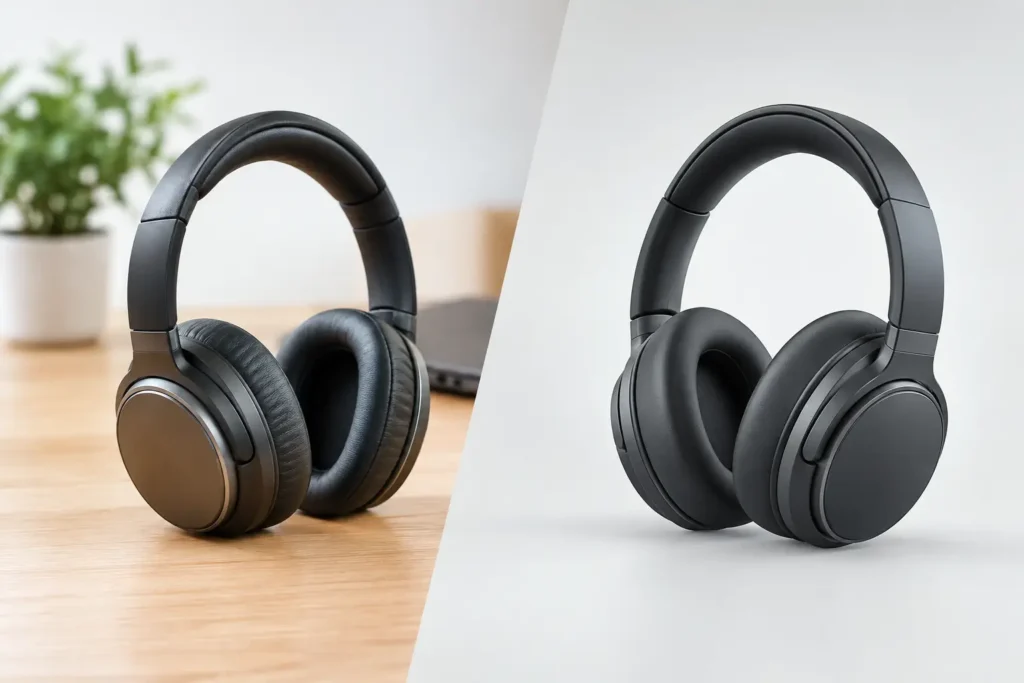
A diamond ring catches a real window reflection differently from every angle. A textured skincare jar has tiny imperfections that make it feel tangible. A new sofa, meanwhile, may not exist outside a prototype file when its campaign needs to launch. That is where the product photography vs 3D renders decision becomes more than a production detail. It shapes how confidently customers understand, trust, and want what you sell.
For New York-area brands, retailers, jewelers, and makers, the strongest choice is rarely about which medium is more impressive. It is about what your product needs to communicate, where the images will appear, and how much creative flexibility the campaign requires.
Product Photography vs 3D Renders: The Real Difference
Product photography records something real. A photographer builds the lighting, chooses the lens and angle, styles the set, and captures the actual material, workmanship, color, and character of the item in front of the camera. Refined retouching can clean distractions and bring a consistent editorial finish, but the core image begins with a physical product.
A 3D render is created from a digital model. Artists apply materials, lighting, environments, and camera settings inside software to produce an image that can look remarkably lifelike. Because the product exists as a digital asset, its color, configuration, background, and position can be changed without physically reshooting it.
Neither approach is automatically better. A beautifully rendered image can be ideal for a product still in development. A poorly lit photograph can make a premium item look ordinary. The question is whether your buyer needs proof of the real object, or whether your campaign needs a highly controlled visual concept that only a digital environment can deliver.
When Real Photography Builds More Trust
Photography is especially powerful when the product’s value lives in the details customers cannot fully describe but instantly recognize. Think jewelry with complex facets, handmade ceramics, apparel with movement and drape, food with freshness, cosmetics with true texture, or leather goods with a specific grain. These are visual cues that tell a shopper, often within seconds, that the product is genuine and worth its price.
A high-end product shoot also gives a brand something rendering cannot replace: a visual point of view. Lighting can make a bottle feel clinical and precise, warm and luxurious, or bold enough for a fashion editorial. Props and surfaces can place the product in a believable lifestyle. A creative, editorial eye makes the item feel part of a world rather than isolated against a background.
For social campaigns, launch announcements, press features, and brand storytelling, that sense of reality matters. People respond to images that feel considered rather than merely assembled. If you want a founder-made fragrance, a signature accessory, or a new collection to have presence, photographing the actual piece often creates the emotional connection first-time buyers need.
Photography is also the safer route when accuracy is nonnegotiable. Colors vary between screens, of course, but photographing the finished item under carefully controlled lighting gives your team a reliable source image. This is essential when the exact finish, fit, scale, or construction affects a purchase decision. A render may be technically accurate, but it can accidentally promise a sheen, fabric behavior, or material depth the final product does not deliver.
Where 3D Renders Have the Advantage
Renders shine when change is expected. A furniture company may need one chair shown in 20 fabrics, six leg finishes, and several room styles. A packaging brand may need campaign images before the first production run arrives. A consumer electronics company may want a device floating in a dramatic impossible-to-build environment. In these cases, 3D can be faster and more economical after the digital model is complete.
The flexibility extends to consistency. Once a 3D scene is built, products can be presented at identical angles and lighting across a large catalog. This can be useful for configurators, marketplaces, product comparison pages, and broad e-commerce assortments where visual uniformity supports a cleaner customer experience.
Renders can also solve logistical problems. Large products, fragile prototypes, or items with frequent revisions are not always practical to ship, style, and photograph. Digital production removes some of that friction. It can also produce angles that would be difficult or expensive to capture with a camera.
Still, a strong render depends on strong inputs. Creating an accurate model, materials, and lighting takes specialized skill and time. If the digital asset is rushed, viewers may notice surfaces that look too smooth, shadows that feel artificial, or details that do not quite obey the rules of the physical world. The result may look polished at first glance yet feel strangely impersonal on closer inspection.
Cost and Timing Depend on What You Already Have
There is no universal rule that photography costs less or that 3D is faster. A focused studio shoot with a clear shot list can efficiently produce a useful library of hero images, detail shots, and clean e-commerce assets in a single day. It is often the most direct route when finished samples are ready.
A custom 3D project may carry a larger upfront investment because the model needs to be built and refined. That investment can pay off if your brand requires hundreds of variations or ongoing campaign adaptations. But if you only need a limited number of images for a finished product, creating a detailed digital twin may be more work than the project warrants.
The timeline also depends on approvals. Photography requires product samples, styling decisions, and a production date. Renders require precise specifications and feedback rounds. If the product design is still moving, both processes can slow down, just in different ways. The best choice is the one that matches the stage of your product, not simply the launch date on a calendar.
The Best Brand Strategy Often Uses Both
Many successful product campaigns do not treat photography and 3D as rivals. They assign each one a clear role. Real photography can lead the website, social media, editorial placements, and advertising where texture, credibility, and brand personality matter most. Renders can support product variations, pre-launch visuals, configurators, and scalable catalog needs.
Consider a jewelry collection. Photograph the actual pieces to show how the stones catch light on skin, how the metal reads in close detail, and how the collection feels in a polished campaign. Then use 3D assets to demonstrate metal options or create a product selector without producing a separate shoot for every variation.
The same approach works for furniture, beauty, home goods, and consumer products. Your hero images should answer the emotional question: Why would someone want this? Supporting visuals should answer the practical question: Which version is right for me? Photography is often exceptional at the first question; 3D is often efficient at the second.
Start With the Customer’s View
Before commissioning either format, define where each image will live. A product page needs clear scale, accurate color, and useful angles. A paid social ad needs an immediate focal point. A wholesale deck may need consistency across a full line. A magazine-quality campaign image needs mood, styling, and distinction.
Then look honestly at the product itself. If its quality is felt through natural materials, craftsmanship, reflective surfaces, or subtle texture, give buyers the reassurance of real photography. If it has countless options, has not been manufactured yet, or must appear in many settings at scale, 3D may earn its place quickly.
At Michaels Photography, every commercial product project starts with the brand’s actual goal, whether that means clean, conversion-minded assets or a more elevated visual story. The lighting, styling, and creative direction should serve the product and the customer, not just the production method.
The image that performs best is not necessarily the one made with the newest technology. It is the one that makes a customer pause, understand what they are seeing, and feel confident bringing the product into their life. Start there, and the right visual approach becomes much clearer.