

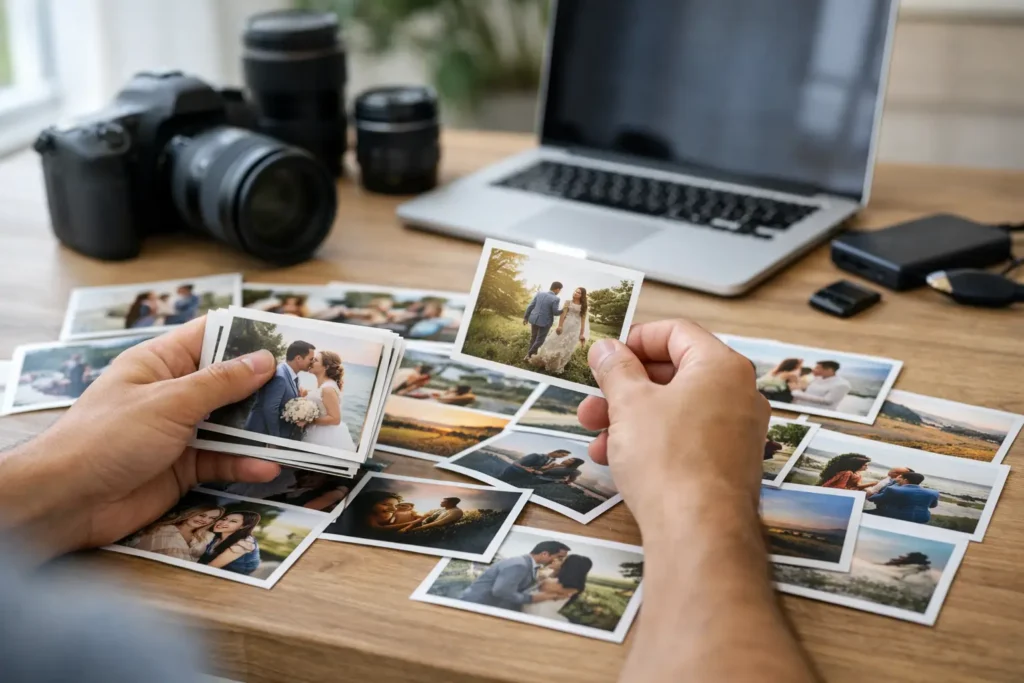
A beautiful gallery is not measured by a giant number alone. Clients often ask how many photos delivered they will receive because they want confidence that every meaningful look, person, and moment will be covered. That is exactly the right question to ask. The more useful answer, though, is that the final image count should match the purpose of the shoot, not follow a one-size-fits-all formula.
A modeling portfolio needs a tight collection of agency-ready images with distinct expressions, poses, and styling. A wedding, corporate event, or family reunion needs broader storytelling coverage. A product collection may require a carefully planned number of angles, details, and crops. The goal is always the same: deliver a refined set of high-end photographs that gives you more than enough to use, share, print, and remember.
How Many Photos Delivered Depends on Your Session
Photography is a process of observation, direction, timing, and careful editing. During a session, a photographer may capture several frames while helping a client relax into a natural expression, adjusting professional lighting, or waiting for the exact interaction between family members. Those frames are not all separate final photographs. Some are near-duplicates, test moments, blink frames, or small variations created to ensure the strongest result.
The final gallery is the curated story. It contains the images that are flattering, technically polished, emotionally true, and useful for your goals. Delivering every file may sound generous, but it can leave a client sorting through repetition and unfinished moments. A considered selection gives each image a reason to be there.
The number can also shift based on session length, the number of people involved, locations, outfit changes, requested setups, and the pace of the occasion. A quiet headshot session and a packed New York celebration naturally produce very different galleries.
What to Expect by Type of Photography
Portraits, headshots, and modeling portfolios
For individual portrait sessions, quality and variety matter more than volume. A shorter professional headshot session may produce a focused selection of polished final images, often with multiple expression options from the strongest setup. An actor may need approachable commercial energy alongside a more dramatic theatrical look. A business professional may need confident, welcoming images for a website, press feature, and social profile.
For models, dancers, performers, and creatives, the number of final images rises with the scope of the shoot. Outfit changes, beauty close-ups, full-length images, movement, editorial concepts, and different lighting looks all create meaningful variety. The right gallery should feel intentional rather than padded. Agencies and casting professionals want to see range, but they also want every image to look like it belongs in a professional book.
If you are building or refreshing a portfolio, discuss the specific uses before the shoot. A comp card update requires a different plan than a fashion editorial, dance portfolio, or a singer’s promotional campaign. Planning around your goals makes the delivered selection more valuable than simply chasing a high count.
Family, engagement, and milestone sessions
Family photography is full of small, unrepeatable moments: a child reaching for a parent’s hand, siblings laughing between poses, grandparents watching a new baby, or a couple sharing a quiet look. A successful gallery includes the well-composed group portraits clients expect, along with the candid images that become more meaningful over time.
The final count often depends on the size and energy of the group. A couple’s engagement session may move through several locations or styling changes, while a multi-generation family session requires additional combinations and attention to every individual. Young children can move quickly, too. Photographing generously during those lively moments helps preserve authentic connection, then thoughtful curation separates the best expressions from the almost-there frames.
For these sessions, ask less about whether the gallery will contain a fixed number and more about whether it will tell the complete story. You should receive enough images to document the people you love, the atmosphere of the day, and the details you will want to revisit years from now.
Events and celebrations
Event coverage is generally shaped by time. A two-hour anniversary party, a baby shower, a corporate gathering, and an all-day wedding each create a different volume of deliverable photographs. Guest count and the event schedule matter as well. More speakers, performances, formalities, décor, group portraits, and candid interactions require more coverage.
A strong event gallery balances the expected images with the moments a host may not have seen. That can include guests greeting one another, a reaction during a toast, children on the dance floor, the finished room before everyone arrives, and the details that helped make the occasion personal. The photographer’s job is not only to document what happened, but to anticipate what will matter when the event is over.
It is reasonable to request a general delivery range when booking event photography. Still, an exact promise made before the event can be misleading. A room full of genuine connection produces more worthwhile photographs than a quiet schedule with long gaps. The best standard is complete, polished coverage of the celebration rather than an arbitrary quota.
Commercial, product, and real estate photography
Commercial photography is often planned by deliverables rather than by a broad gallery count. A jeweler might need hero images, close-up detail shots, images on white, lifestyle photographs, and vertical crops for social campaigns. A real estate client may need exterior, interior, key feature, and detail images that make the property feel clear, inviting, and accurately represented.
Before the camera comes out, define where the photos will appear. Website banners, online stores, print ads, listing platforms, catalog pages, and social content have different shape and usage needs. This planning helps establish the number of setups and final images required. It also protects the visual consistency of the brand.
For commercial work, more images are not automatically better if they repeat the same message. A concise, versatile collection with clean lighting, precise composition, and purposeful crops can work harder for a business than dozens of similar files.
What Happens Between the Shoot and Delivery
The delivered image count reflects the work that happens after the session. First comes the review process, where the photographer identifies the strongest expressions, moments, compositions, and variations. Then each selected image is refined for exposure, color, cropping, and overall visual consistency. Retouching can also be tailored to the assignment, from clean professional headshot polish to editorial finishing for fashion or carefully accurate product color.
This is why an edited gallery is different from a folder of raw captures. Raw files are unfinished source material. They do not represent the photographer’s final visual standard, and they can be difficult for clients to evaluate without the trained eye that saw the intention behind the shot.
At Michaels Photography, the approach is personal from the first conversation through final delivery. Michael helps clients feel comfortable in front of the camera, keeps the experience fun, and edits with a creative, editorial eye so the gallery feels polished and true to the people or brand in it.
Questions to Ask Before You Book
A clear conversation avoids disappointment and makes the experience easier for everyone. Ask whether your package includes a stated number of edited final images, an estimated range, or full coverage of the best images from the session. Confirm how many hours of shooting are included, whether multiple locations or outfit changes affect the plan, and what turnaround time you can expect.
For events, share a timeline and a list of must-have people or moments. For portraits, explain whether you need images for casting, agency submissions, a dating profile, a professional website, or family keepsakes. For commercial projects, provide a shot list and explain the intended platforms. These details help shape a realistic photo count and a gallery designed for real use.
It is also worth asking about image resolution, downloading, print options, and the photographer’s editing approach. A professional should be able to explain the process clearly, without making you feel as though you need to know photography terminology to get what you need.
The best final gallery gives you a feeling, not a math problem. When you see confident portraits, authentic family connection, a celebration’s energy, or a product presented at its best, the number becomes secondary. Plan for the images you need, trust thoughtful curation, and make room for the photographs you did not know you would treasure.