

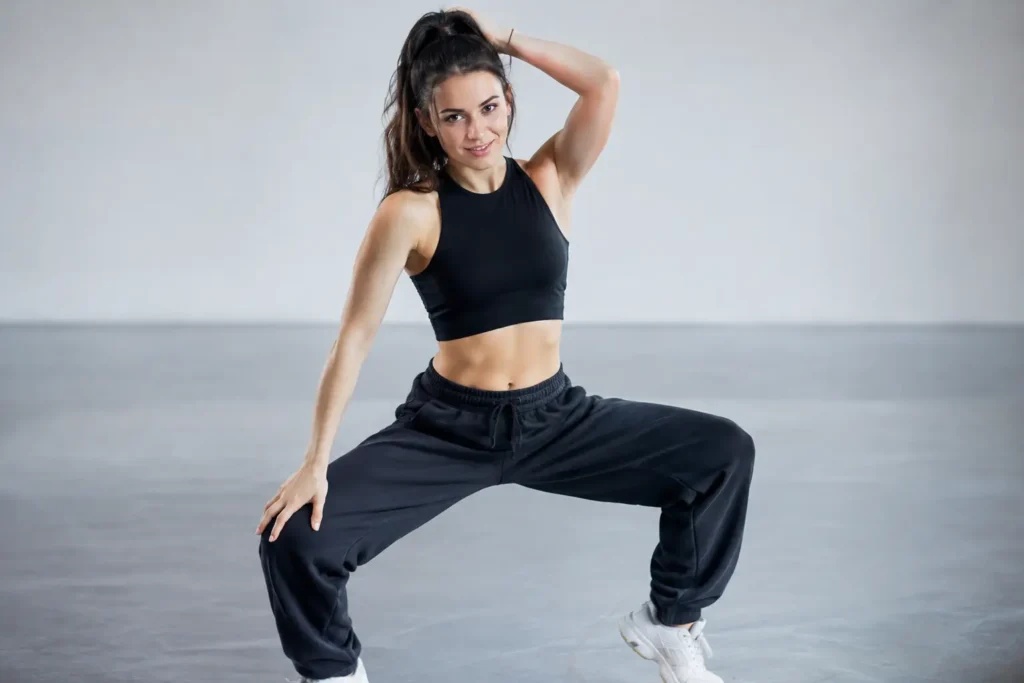
A casting team can often tell in one glance whether an image understands dance. The best dance audition photos do more than show a beautiful line or a high extension. They reveal your control, personality, versatility, and point of view as a performer. They make it easy for an artistic director, choreographer, agent, or school to picture you in the room.
That is why a dance audition session deserves more thought than a quick headshot or a cropped recital image. Your photos should feel polished and agency-ready, but they should also feel true to the way you move. The right combination of creative direction, purposeful lighting, and well-chosen movement gives your portfolio a high-end editorial finish without losing the performer behind it.
What Casting Teams Need to See
Dance audition photography has a specific job: reduce uncertainty. Before you walk into the studio, your images should communicate the essentials, your face, your proportions, your lines, and the style of performer you are. A casting team should not have to guess whether the striking image in front of them actually represents your current appearance or technical ability.
A strong portfolio usually begins with a current portrait and includes one or two full-body images that show movement or a clean posed line. The exact mix depends on the audition. A ballet program may want refinement, placement, turnout, and extension. A contemporary company may respond to grounded movement, shape, and emotional range. For musical theater, a bright, approachable portrait can be just as valuable as a dynamic dance image. Commercial dance calls often favor confidence, versatility, and personality.
The goal is not to put every skill you have into one frame. A photo of a jump can be exciting, but if the hands are tense, the face is strained, and the body disappears into a complicated background, it is not doing you a favor. One clearly executed movement will always say more than an image that tries to prove everything at once.
Best Dance Audition Photos Start With a Clear Brief
Before a camera comes out, decide where these images are going. Are you applying to a conservatory, submitting to a dance company, updating an agency portfolio, or preparing for a Broadway-style open call? The answer shapes the wardrobe, framing, expression, and movement choices.
Bring the actual audition requirements if they have been provided. Some organizations specify a headshot, a full-body shot, or particular dance positions. Follow those instructions precisely. When no requirements are listed, create a small, flexible selection: a clean portrait, a relaxed full-length image, and one movement image that feels unmistakably like you.
It also helps to think about the role you want your photos to play. A pre-professional dancer may need images that show clean technique and promise. A working performer may need a portfolio that makes range immediately visible, from polished theater energy to fashion-forward contemporary movement. A younger dancer should still look like themselves, not like an adult performer styled beyond their age.
Make the Portrait as Strong as the Movement Shot
Many dancers focus so intensely on their body lines that they underestimate the portrait. Yet your face is often the first point of connection. A casting director wants to see an alert, present performer who can take direction, tell a story, and hold an audience’s attention.
Choose a simple, flattering look that reflects your current casting range. Keep makeup camera-ready rather than heavy, and avoid styling that changes your recognizable features. Your hair can be worn down or pulled back depending on the submission, but it should look intentional. If a slick bun is part of your ballet identity, that can be a strong choice. If your work is more commercial or theater-based, soft movement in the hair may feel more natural.
A professional photographer should guide your expression rather than asking you to simply smile. Small adjustments in chin angle, eye line, posture, and breath can shift an image from stiff to compelling. The best portraits have presence. They feel confident, but never forced.
Choose Movement That Reads in a Still Frame
Not every impressive movement translates into a photograph. Some combinations look spectacular live but create awkward shapes when frozen. The strongest dance images usually have a clear silhouette, length through the body, and an intentional finish in the hands and feet.
For ballet, that may be an elegant arabesque, a strong développé, or a simple position executed with exceptional placement. For contemporary dance, a curve through the torso, a suspended reach, or a low, grounded shape may feel more expressive than a textbook extension. Jazz and commercial dancers may choose a powerful leap, an off-center pose, or a clean attitude that brings personality into the frame.
There is a trade-off between dramatic action and technical clarity. A grand jeté can create an unforgettable image, but it takes careful timing, space, and repeated attempts. A controlled standing line is less dramatic, yet it may show your training more clearly. A thoughtful session often includes both: one image that is refined and informative, and one that brings energy and individuality.
Do not worry if a movement takes multiple tries. Great dance photography is a collaboration. The photographer watches timing and composition while you focus on breath, control, and finishing each line. That shared attention is what turns athletic effort into a frame that looks effortless.
Wardrobe Should Support the Audition, Not Compete With It
Your clothing should make your form easy to read. Solid colors generally photograph better than busy prints, large logos, or overly reflective fabrics. A fitted leotard, clean dancewear, or a simple contemporary look can all work beautifully when it aligns with the audition and lets the body remain the focus.
Bring options if your session allows. A classic black leotard can create a timeless, technique-focused image, while a second color can add personality and variety. Jewel tones often photograph with richness, while neutrals can feel sophisticated and editorial. The right color depends on your complexion, hair, the backdrop, and the mood you want to create.
Pay attention to the details that appear in a full-length frame. Check that tights are clean, shoes are appropriate for the requested style, and any warm-up layers look purposeful. Bare feet can be ideal for contemporary work, while ballet slippers or pointe shoes may be essential for classical submissions. If the audition calls for something specific, let that requirement lead.
Lighting and Background Create a Professional Finish
Dance is movement, but photography is light. Professional lighting gives shape to the face and body, preserves detail in dancewear, and separates you from the background so your line reads immediately. It also allows a photographer to freeze action without making the image feel flat.
A clean studio setting is often ideal for audition materials because it keeps attention on the dancer. Editorial images with texture, shadow, or a more dramatic environment can be valuable for an expanded portfolio, especially for agencies and artistic projects. But for a straightforward audition submission, clarity should come first.
Refined post-processing matters too, though it should be nearly invisible. The image should be polished for color, exposure, and consistency without altering your body, changing your proportions, or erasing the work that makes you a dancer. Your photos need to represent the performer who will arrive at the audition.
Prepare Your Body and Your Mind for the Session
Treat the shoot like a short performance day. Get enough rest, hydrate, and arrive with your hair, makeup, and wardrobe organized. Warm up thoroughly, especially if you plan to jump, extend, or work en pointe. A rushed body tends to show up in the shoulders, fingers, and facial expression.
Give yourself permission to take breaks. Photographs reward precision, and precision is hard to sustain when you are fatigued. A few minutes to reset your breath or adjust a shoe can be the difference between an almost-right frame and the image you submit with confidence.
It is also normal to feel self-conscious at first. Dancers are used to mirrors, studios, and movement, while a camera can feel surprisingly still. The right direction helps you settle in quickly. You should leave the session feeling more certain of what you bring to the room, not more critical of yourself.
Common Mistakes That Weaken a Dance Submission
The most common issue is choosing images for how dramatic they look rather than how useful they are. An old recital photo with dark stage lighting may hold a wonderful memory, but it rarely works as a current audition image. The same is true of heavily filtered social media photos, group shots, or images where your face is hidden.
Avoid submitting too many similar frames. Three versions of the same leap do not show range, even if each one is strong. Also resist excessive retouching or an outfit that distracts from your movement. Casting teams want a clear, current view of you, not a concept they have to decode.
At Michaels Photography, each dance session is shaped around the dancer’s goals, with personalized coaching that helps every performer feel comfortable, seen, and ready to make an impression. Bring your technique, your personality, and the kind of work you want next. With thoughtful preparation and creative direction, your photos can feel like the first confident step into the room.