
A strong modeling portfolio may show your range, style, and creative point of view. Digitals serve a different purpose. They show agencies and casting teams exactly who is standing in front of them right now: your proportions, skin, hair, posture, and natural presence. The best model digitals tips are not about looking overly polished. They are about looking clear, current, confident, and easy to imagine in a wide range of work.
For new models, that can feel counterintuitive. You may be tempted to bring dramatic makeup, your favorite fashion looks, or heavily edited images. For working talent, the challenge is often keeping a simple update from becoming an afterthought. In both cases, great digitals require care. The goal is honest presentation with clean light, good framing, and enough direction to let your personality come through.
What Makes Model Digitals Agency-Ready?
Think of digitals as a professional introduction, not an editorial campaign. An agent needs to assess your current look quickly. A casting director needs to know whether you resemble your submission when you arrive on set. The photos should be recent, accurate, and uncluttered.
That does not mean flat or lifeless. A relaxed expression, a lengthened posture, and soft, even lighting can make a tremendous difference while remaining truthful. The strongest digitals feel effortless because the details have been handled well.
Current means current. If your haircut, color, facial hair, body art, or general appearance has noticeably changed, update your digitals. A fresh set is especially useful before agency meetings, open calls, seasonal castings, and major submissions. For child and teen talent, updates may be needed more frequently because growth can change a look quickly.
Best Model Digitals Tips Before You Step in Front of the Camera
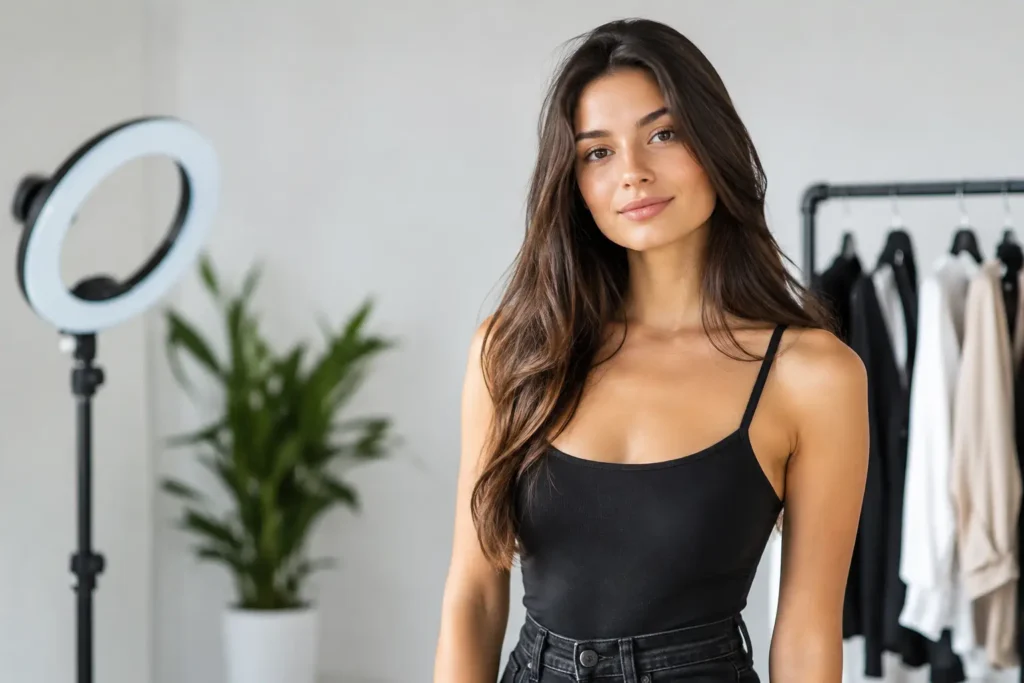
Preparation starts with restraint. Wear clothing that follows your shape without squeezing, bunching, or hiding it. Most agencies prefer straightforward pieces that allow them to see your body and proportions clearly. A fitted tank or plain T-shirt with well-fitting jeans, leggings, or simple shorts is often enough. A swimsuit may be requested for certain markets or agency requirements, but it should never be assumed unless it has been specifically asked for.
Choose solid, neutral colors such as black, white, gray, denim, or muted earth tones. Bright patterns, logos, oversized jackets, and elaborate accessories draw attention away from you. Your wardrobe should frame the subject, not become the subject.
Hair should be clean and styled in a way that looks like you. If you commonly wear it curly, do not feel pressured to straighten it just for digitals. If you wear it both up and down, capture both options. Agencies benefit from seeing your natural texture and face shape without distraction.
Makeup should be minimal. Fresh skin, groomed brows, a light complexion product if needed, and subtle lip color are usually more useful than contouring, lashes, or a full glam look. Models of every gender should arrive with skin that looks like skin. A little shine control is fine, but heavy foundation can create an inaccurate result and show texture under bright lights.
The night before, prioritize the basics: rest, hydration, and skincare that you already know works for you. This is not the day to test a new facial treatment or change your hair color. If you have a temporary blemish or minor irritation, do not panic. Agencies expect real people. Light professional cleanup can be appropriate, but removing defining features, changing body shape, or smoothing skin beyond recognition defeats the purpose of digitals.
The Essential Shots to Include
Requirements vary by agency, so always follow the submission instructions first. When no detailed instructions are provided, a useful set typically includes a clean headshot, a three-quarter image, a full-length front view, profile views, and a full-length back view. Add a natural smiling image if it suits your personality and the market you are pursuing.
Your headshot should make your eyes and face easy to read. Keep your chin neutral, avoid a dramatic tilt, and let the camera see you clearly. For full-length images, stand tall with your shoulders relaxed and your weight balanced. A slight shift can look natural, but avoid fashion poses that twist your body away from view.
Profile shots matter more than many people realize. Pull hair back when appropriate so your face shape and neckline remain visible. If you have tattoos, piercings, or other features that may be relevant to bookings, ask your agency how they prefer them shown. Honesty is always easier than managing surprises later.
A short video may also be requested. Keep it equally simple: introduce yourself, state your name, age if relevant and appropriate, height, location, and agency status, then turn slowly from front to side and back. Speak naturally. You do not need to perform. Casting teams are looking for your voice, movement, and comfort on camera.
Light and Background Matter More Than Expensive Gear
A phone can create usable digitals when the light, background, and camera height are right. Stand near a large window with indirect daylight, facing the light rather than placing it behind you. Direct midday sun can cause harsh shadows and squinting, while dim indoor lighting may add color casts and obscure detail.
Use a plain white, light gray, or neutral wall with enough space to step away from it. This helps prevent heavy shadows behind your body. Keep the background free of furniture, doorframes, mirrors, and visual clutter. The person viewing your images should never have to search for you.
Avoid wide-angle distortion. If you are using a phone, step back and use a standard focal length rather than holding the camera close. Position the camera around chest height for full-length images, and make sure it is level. A tilted camera or a low shooting angle can distort proportions in ways that are unhelpful for agency review.
Professional lighting and an experienced photographer can be especially valuable if you are seeking representation, updating after a significant change, or feeling uncertain about posing. A photographer with a creative, editorial eye should still understand that digitals need to remain clean and accurate. At Michaels Photography, the focus is on helping talent feel comfortable while creating polished, agency-ready images that still look unmistakably like them.
How to Look Relaxed Without Over-Posing
The camera often notices tension before you do. Locked knees, lifted shoulders, clenched hands, and a forced smile can make even beautiful images feel stiff. Before each frame, breathe out, let your shoulders drop, and place your hands with intention. If your arms are straight at your sides, leave a little space between your arms and torso so your shape remains visible.
Start with the required straightforward poses, then make small adjustments. Turn your torso slightly, shift your weight, soften your gaze, or bring one foot a few inches forward. Small changes create options without making the photos look like a fashion editorial.
Expression should be controlled but not blank. A calm, direct look works well for many agencies. A softer expression and a genuine smile can reveal warmth and range. Rather than trying to copy another model’s face, think about connecting with the lens as if you are meeting someone for the first time. That is often where the most memorable frames come from.
Editing: Clean Up, Do Not Change the Evidence
Digitals should be lightly refined, not transformed. Basic color correction, exposure balancing, and cleanup of a temporary blemish can help the image look professional. But do not alter your jawline, waist, height, eye color, skin tone, or permanent marks. Avoid beauty filters entirely.
This standard protects you as much as it helps the agency. When your digitals match your in-person appearance, you build trust. When they do not, you create an awkward first impression before a conversation has even begun.
Save files clearly, using your name and the view shown, such as Firstname_Lastname_FullLengthFront. Send only the number of images requested, in the file size and format requested. A concise, professional submission signals that you understand the business and respect the reviewer’s time.
Your digitals do not need to make you look like someone else. They need to make it easy for the right team to see what makes you distinctive, current, and ready to work.